
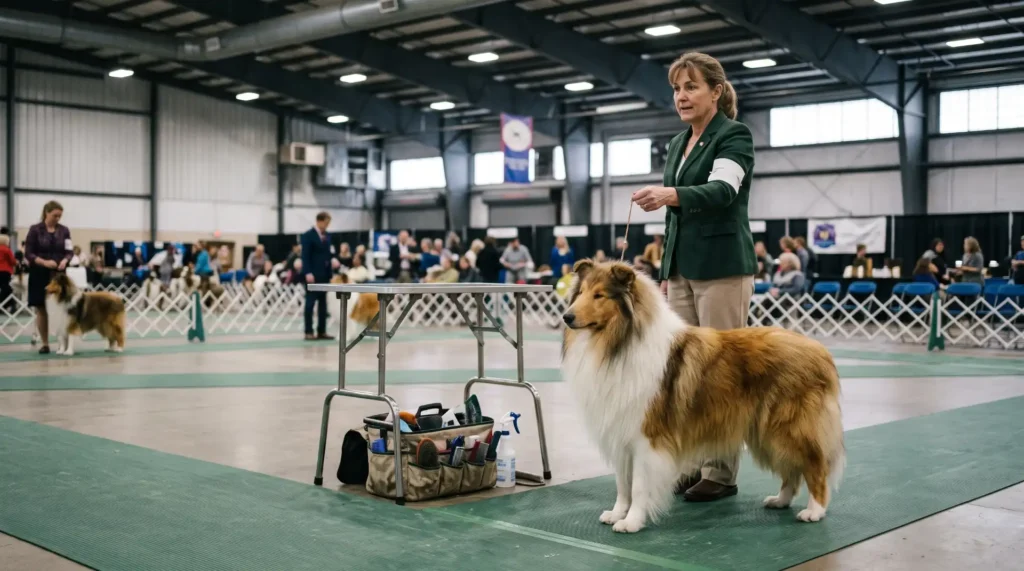
Showing dogs can be an exciting way to celebrate a breed, develop handling skills, connect with responsible breeders, and participate in the American dog-show community. However, anyone considering conformation competition should understand that the cost of showing dogs in America goes well beyond the price of entering a competition. Transportation, lodging, grooming, training, equipment, routine veterinary care, and time away from work can all influence the total expense.
For beginners, the financial commitment can be difficult to estimate because there is no single price that applies to every exhibitor. Someone attending a local weekend show with one dog may spend relatively little compared with an exhibitor who travels across several states, hires a professional handler, or competes with multiple dogs throughout the year.
The good news is that showing dogs does not have to begin with an expensive campaign. With careful planning, realistic expectations, and a clear understanding of necessary versus optional expenses, owners can create a budget that supports their goals without putting unnecessary pressure on household finances.
This guide explains the main expenses associated with dog shows in the United States, provides illustrative budgeting examples, and offers practical ways to make participation more affordable while maintaining your dog’s health, comfort, and preparation.
Understanding the Different Costs of Dog Showing
Before planning a show season, it helps to separate the expenses into three categories: initial investments, recurring expenses, and event-specific costs.
Initial investments include items such as a suitable crate, grooming tools, a show lead, a grooming table, and basic training equipment. These purchases may cost more at the beginning, but many can be reused for several years when they are properly maintained.
Recurring expenses include grooming products, replacement equipment, training classes, routine veterinary care, food, and general maintenance. These costs continue even when a dog is not entered in a competition. Event-specific expenses include entry fees, parking, travel, hotels, meals, and any additional services required at a particular venue.
This distinction is important because a first-time exhibitor may need to purchase several pieces of equipment at once, while an experienced owner may already own most of the necessary supplies. Comparing the two budgets without accounting for these differences can create an inaccurate impression of what showing dogs normally costs.
It is also important to distinguish between the cost of owning a dog and the additional cost of competing with that dog. Food, preventive veterinary care, and everyday grooming are part of responsible ownership regardless of whether the dog enters the show ring. The show budget should identify the extra expenses that competition creates while still allowing room for ordinary care.
Dog Show Entry Fees and Registration Expenses
Entry fees are among the most visible expenses in a dog-show budget. Before entering a competition, exhibitors generally review the event’s premium list, which provides important information about entry deadlines, classes, judges, venue rules, and applicable fees.
Entry costs vary by event, organizer, competition type, and the number of classes entered. A local specialty show may have a different fee structure from a large all-breed event or a major national competition. Additional competitions held during the same weekend may also involve separate charges.
For that reason, it is better to check the actual premium list than to assume that every dog show has the same entry price. The American Kennel Club’s guide to completing a dog show entry form explains how to find entry information and submit an entry correctly.
For a preliminary budget, an exhibitor might use an illustrative allowance of $30 to $50 per regular dog-show entry. This is a planning estimate, not an official or universal AKC fee. Some events may charge less or more, and optional classes or other services can increase the total.
Consider an owner who enters one dog in four shows during a month. If the average entry fee is $40, the basic entry expense would be $160. If the owner enters two dogs in the same four shows at that same assumed rate, the total would rise to $320 before transportation, lodging, and other costs are considered.
Entry fees should be recorded separately from travel expenses because they are incurred for each entry rather than for the trip as a whole. When a weekend includes several shows, check the premium list carefully to understand whether each show requires a separate entry.
Late entries may not be accepted, and entry deadlines are important. A missed deadline can mean losing the opportunity to compete at an event, changing travel plans, or choosing another show. Submit entries early enough to verify that the information is correct, including the dog’s registration details and the selected class.
 Transportation and Travel Costs
Travel can become one of the largest expenses of showing dogs, particularly for exhibitors who attend regional specialties, national events, or multiple shows in distant locations.
Driving to a nearby venue may require little more than fuel and parking. A longer trip, however, can involve several tanks of gas, tolls, meals, overnight stops, and additional vehicle maintenance. Owners should also consider whether their vehicle can safely accommodate the dog, crates, grooming equipment, luggage, and other supplies.
For example, an exhibitor planning a 400-mile round trip might estimate fuel costs by dividing the total distance by the vehicle’s expected miles per gallon and multiplying the result by the current local fuel price. The calculation should reflect the actual vehicle rather than an assumed national average.
If the vehicle averages 25 miles per gallon, a 400-mile trip would use approximately 16 gallons. At an assumed price of $3.50 per gallon, fuel would cost about $56. This is only an illustration; actual fuel prices, vehicle efficiency, detours, traffic, and additional driving will change the final amount.
Parking and tolls should be included in the same travel worksheet. Although individual charges may seem small, several days of paid parking or repeated toll-road use can noticeably increase the cost of a show weekend.
Flying introduces a different set of considerations. Airline animal policies, carrier requirements, crate dimensions, breed-specific restrictions, weather limitations, and transport availability can affect both the price and feasibility of a trip. Owners should confirm all applicable requirements directly with the airline well before booking.
For many beginners, attending local shows within driving distance is a sensible way to learn the sport before committing to expensive travel. Local events provide opportunities to practice ring routines, observe experienced exhibitors, and determine which competitions are most useful for the dog’s development.
Hotel Accommodation and Overnight Stays
Lodging can be a substantial part of a show budget, particularly when an event lasts several days or takes place far from home. Hotel prices vary with location, season, demand, room type, and the event calendar. Large competitions can also increase demand for nearby accommodation.
Pet-friendly does not automatically mean suitable for show exhibitors. Before booking, verify the property’s dog policy, permitted dog size or number, pet fees, cleaning charges, deposit requirements, and any restrictions on leaving dogs unattended. Some properties may limit the number of animals per room or require dogs to remain crated when alone.
An illustrative hotel budget of $120 to $200 per night can help with early planning in some markets, but it should not be treated as a nationwide average. Major cities, popular event weekends, and hotels near convention centers can cost considerably more, while some smaller markets offer less expensive options.
Suppose an exhibitor books a room for two nights at an assumed rate of $150 per night. The base room cost would be $300 before taxes and pet fees. If the hotel charges an additional $30 per night for a dog, the total would rise to $360 before any other charges.
Sharing accommodation with a trusted fellow exhibitor can reduce individual costs, provided the arrangement is permitted by the property and suitable for all dogs involved. Another option is to choose an event closer to home or combine several nearby shows into one trip rather than paying for separate journeys.
A sensible reservation strategy starts with the show calendar. Once an exhibitor knows which events are priorities, booking early and checking cancellation policies can help limit unexpected expenses. It is wise to compare the total cost of the stay rather than looking only at the advertised nightly rate.
 Professional Grooming and Coat Maintenance
Grooming is an essential consideration for many conformation exhibitors, but the amount of money required varies greatly by breed, coat type, grooming style, and the owner’s experience.
Some dogs need regular brushing, bathing, nail care, and limited trimming. Others require more time-consuming coat preparation, specialized tools, careful drying, or professional grooming before a major event. The coat that looks impressive in the ring is often the result of consistent maintenance rather than a single grooming session on show day.
Basic supplies can include brushes, combs, shampoos, conditioners, towels, nail trimmers, ear-care products recommended for the individual dog, and suitable drying equipment. Owners should select tools according to their dog’s coat and grooming requirements rather than purchasing every product marketed to show exhibitors.
An initial grooming kit might cost approximately $100 to $300 or more, depending on the tools selected. This is an illustrative planning range, not a required spending level. An owner with an easy-care coat may need substantially less equipment, while specialized professional-grade tools can increase the initial investment.
Professional grooming adds another expense. A basic appointment may cost less than a breed-specific show preparation session, particularly when the latter requires several hours of work. Rates depend on location, coat condition, dog size, and the groomer’s expertise.
Owners should request an estimate before booking and clarify which services are included. A full preparation appointment may not include every service required for an upcoming competition, and additional work may be necessary if the coat has become tangled or needs more extensive attention.
Regular home maintenance can help reduce emergency grooming appointments and keep your dog’s coat in good condition between competitions. For more practical advice on brushing, bathing, coat preparation, and other essential techniques, read our guide to grooming secrets every dog show champion needs to know. Consistent grooming also helps owners identify changes in the skin, coat, nails, or ears before they become more difficult to address.
Training Classes and Professional Handling
Training expenses depend on whether the owner plans to handle the dog personally, attend group classes, work with a private instructor, or hire a professional handler for selected events.
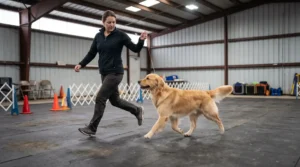
Conformation training involves more than teaching a dog to stand still. The dog must become comfortable being examined, learn to move at an appropriate pace, respond to the handler, and remain attentive in an unfamiliar environment. The handler must also understand ring procedures, positioning, and how to present the dog appropriately.
Group handling classes can provide a structured introduction to these skills. For preliminary budgeting, an exhibitor might set aside $15 to $40 per group class, although local prices vary. Private instruction generally costs more because the trainer can focus on the dog’s individual needs and the handler’s technique.
Regular short practice sessions at home can complement formal lessons. Practicing calm standing, movement on a lead, and handling exercises in a positive manner helps the dog become more comfortable with the routine. Training should be gradual and age-appropriate, with breaks and rewards rather than excessive repetition.
Professional handling can be useful when an owner has limited time, needs help presenting a particular dog, or is attending a show where the logistics are especially demanding. However, professional services can significantly increase the overall budget. Fees may cover only handling at the event, while grooming, travel, lodging, and other arrangements may be charged separately.
Before hiring a handler, ask for a clear description of services, the fee structure, travel arrangements, cancellation terms, and any additional expenses. Owners should also discuss the dog’s temperament, training level, health needs, and previous ring experience so that expectations are realistic.
The best choice is not necessarily the most expensive training package. For a beginner, a few well-chosen classes and guidance from an experienced mentor may provide more value than paying for extensive professional services before understanding the sport.
The AKC’s guide to getting started in conformation dog shows provides useful information about finding a mentor, attending a show, and preparing for competition.
Show Dog Equipment and Initial Purchases
Equipment costs are often front-loaded. A new exhibitor may need to buy several items before attending the first event, but many of these purchases can be reused for future shows.
A suitable crate or travel kennel is one of the most important items. It should be appropriate for the dog’s size, allow comfortable positioning, and be safely secured during transportation. Owners should practice crate use at home so that the dog is familiar with the equipment before traveling.
Other supplies may include a show lead, grooming table, grooming arm, brushes, combs, towels, water bowls, food containers, waste bags, cleaning supplies, and a mat or bedding suitable for the venue. The exact list depends on the dog’s breed, the type of event, and the facilities available.
A starter equipment budget of $200 to $600 is a possible planning allowance for some owners, but it is not a minimum requirement. Someone who already owns a safe crate and suitable grooming tools may spend less, while exhibitors who purchase professional equipment may spend much more.
Buying every available accessory at the beginning is rarely necessary. Start with the essentials, borrow or rent suitable equipment when practical, and upgrade only when experience reveals a genuine need.
Quality and safety deserve more attention than appearance. A decorative lead cannot compensate for poor fit or unreliable construction, and a low-cost crate is not a bargain if it cannot safely contain the dog during travel. Equipment should be easy to clean, durable enough for regular use, and appropriate for the animal using it.
Before purchasing expensive grooming equipment, learn what your breed requires and ask experienced exhibitors for recommendations. This can prevent unnecessary spending on products that do not suit your dog’s coat or the way you prepare for competition.
Food, Veterinary Care, and Everyday Dog Expenses
Although dog food and routine veterinary care are not exclusive to the show ring, they remain important when calculating the full cost of maintaining a show dog.
A dog needs an appropriate diet, access to clean water, routine veterinary examinations, preventive care based on veterinary advice, and timely attention to illness or injury. These responsibilities should never be reduced simply to make room in the competition budget.
Food costs depend on your dog’s size, activity level, dietary requirements, and the type of food selected. Because good nutrition supports overall condition and coat health, exhibitors should also understand the role of diet in show preparation. Our guide to show dog nutrition, including raw, freeze-dried, and breed-specific diets, explores feeding considerations for competitive dogs. Always choose a nutritionally appropriate diet and consult your veterinarian before making significant dietary changes.
Veterinary costs are more difficult to predict. Routine care may be relatively manageable in a given year, while unexpected illness, injury, diagnostic testing, or treatment can create a much larger expense. An emergency fund or suitable pet insurance policy may help with financial planning, depending on the policy’s exclusions, reimbursement limits, deductibles, and waiting periods.
Before entering a show, confirm the event’s health and vaccination requirements. Dogs should be fit to travel and compete, and owners should not enter an animal that is unwell or unable to tolerate the demands of the event.
A responsible budget also accounts for rest and recovery. A crowded show schedule may increase travel and accommodation costs while leaving less time for the dog to relax. More events are not automatically better if the schedule compromises comfort, training quality, or general well-being.
Show-Day Extras That Are Easy to Overlook
Small expenses can accumulate during a busy weekend. Depending on the venue, exhibitors may pay for parking, electrical hookups, reserved grooming space, catalogues, food, beverages, laundry, equipment replacement, or other services.
Not every event charges for every item. Some facilities provide ordinary grooming and crating space as part of the event arrangements, while optional reserved spaces or additional services may carry separate fees. Check the premium list and venue information rather than assuming that a service is free or paid.
Food is another overlooked category. Buying every meal at a venue or restaurant can make a multi-day event more expensive than expected. Packing snacks, drinking water, and simple meals can help reduce discretionary spending, provided food is stored safely and dog supplies are kept separate.
A small emergency kit is also useful. Include basic cleaning supplies, spare towels, waste bags, a spare lead, and any routine items the dog may need. Replace missing essentials before departure instead of paying premium prices for last-minute purchases at the venue.
It is worth keeping a small contingency allowance for unexpected but reasonable expenses, such as an extra night caused by travel disruption or replacing damaged equipment. This is separate from a veterinary emergency fund, which should remain available for the dog’s health needs.
Sample Budgets for Different Types of Exhibitors
There is no single annual price for showing dogs in America. The examples below illustrate how costs can change with travel distance, event frequency, grooming requirements, and professional assistance.
A local beginner’s show weekend
An owner entering one dog at two nearby shows might budget approximately $80 for entries, $40 for fuel and parking, $30 for meals and small extras, and $25 for incidentals. The total would be about $175 under these assumptions, excluding initial equipment purchases, training, ordinary dog care, and any overnight stay.
This kind of weekend can be a useful introduction because it allows an owner to learn the event routine without immediately committing to expensive travel. The actual total may be lower or higher depending on the event’s fees and the distance from home.
A regional weekend with an overnight stay
An exhibitor attending several shows in a nearby region might estimate $160 for four entries, $100 for transportation, $300 for two hotel nights, $60 for meals, and $50 for parking and miscellaneous expenses. The estimated total would be $670.
This example assumes a $40 entry per show and a $150 nightly room rate before any additional hotel charges. It is not a prediction of what a particular show will cost. A more expensive destination, pet fees, extra classes, or additional nights could increase the total.
An active exhibitor with professional services
An exhibitor attending multiple regional events may also pay for training classes, professional grooming, selected handling services, and more frequent equipment replacement. These expenses can add hundreds or thousands of dollars over a season, depending on the number of shows and services used.
For example, an exhibitor who spends $1,200 on entries and event expenses, $600 on training and grooming, and $1,000 on travel and accommodation would spend $2,800 for those categories alone. This is a hypothetical example rather than an industry average, and it excludes everyday dog ownership expenses and major equipment purchases.
These scenarios show why a useful budget must be based on the exhibitor’s actual plans. A local owner-handler should not use the budget of a national campaign as the expected cost of participating, and a frequent traveler should not assume that entry fees represent the majority of the total.
How to Reduce Dog-Showing Costs Without Cutting Corners
The most effective way to control spending is to decide what you want to accomplish before choosing events. A beginner may benefit from attending a few local shows, learning ring procedures, and gaining confidence. An experienced exhibitor may prioritize specific regional specialties or competitions that fit the dog’s development and long-term goals.
Create an annual calendar and estimate the full cost of each event. Include entries, transportation, accommodation, meals, grooming, training, and other likely expenses. Compare the total cost of each trip rather than choosing events solely because their entry fees appear affordable.
Travel efficiency can make a meaningful difference. When several appropriate shows are held in the same area over a short period, combining them into one trip may reduce fuel and lodging expenses. However, the schedule should leave adequate time for rest, grooming, feeding, and safe transportation.
Developing grooming skills at home can also reduce recurring professional costs. Owners do not need to perform every specialized service themselves, but learning the basics of brushing, coat maintenance, and preparation can improve consistency and help identify when professional assistance is genuinely needed.
Equipment should be purchased gradually. Start with reliable essentials, maintain them carefully, and replace items when necessary. Before buying an expensive table, dryer, or travel system, consider how frequently it will be used and whether a simpler alternative meets the dog’s needs.
Finally, keep records. Save entry confirmations, hotel receipts, fuel estimates, training invoices, grooming bills, and equipment purchases in a spreadsheet or budgeting application. Reviewing the figures after each event will show which categories consistently exceed expectations and where changes could make future trips more affordable.
Cost control should never come at the expense of safety, appropriate veterinary care, adequate rest, or responsible handling. Skipping necessary care or forcing a dog to compete when unwell is not a reasonable budgeting strategy.
 Choosing Shows That Match Your Goals
Not every competition offers the same value to every exhibitor. Some owners enjoy participating locally and building experience gradually, while others may be pursuing championship points, breed-specialty opportunities, or experience under particular judges.
Before committing to a show, consider its location, schedule, classes, expected travel requirements, and relevance to your goals. The AKC’s conformation resources explain the sport and provide information about event participation, rules, and exhibitor resources.
Reading the premium list carefully can prevent avoidable mistakes. Verify the venue, entry deadline, class requirements, grooming arrangements, and any published restrictions. If a rule is unclear, contact the show secretary or superintendent before spending money on travel.
It is also useful to attend an event as a spectator before entering. Observing how exhibitors prepare their dogs, organize equipment, and move through the venue can help a beginner understand the practical demands of competition. Speaking respectfully with experienced handlers and club members may reveal useful local resources, including training classes and mentoring opportunities.
A successful show season is not measured only by the number of events attended. Learning to present a dog confidently, developing a reliable routine, building relationships with fellow exhibitors, and maintaining the dog’s well-being are valuable outcomes in their own right.
Building a Sustainable Annual Dog Show Budget
An annual budget is more useful than estimating expenses one show at a time. It allows owners to anticipate seasonal travel, plan equipment purchases, and decide how many competitions fit their available finances.
Start by estimating the number of shows you realistically expect to attend. Multiply the anticipated entry fee by the number of entries, then add transportation, lodging, meals, grooming, training, and other expenses. Separate one-time equipment costs from recurring expenses so you can see how much of the first year involves initial purchases.
Next, establish a monthly amount to set aside for the show season. If your expected annual competition budget is $2,400, for example, saving $200 each month would provide that amount over twelve months, assuming no withdrawals and no change in the target. Choose a savings goal that is realistic for your household rather than borrowing money to maintain an unnecessarily ambitious schedule.
Maintain a separate reserve for unexpected expenses. A travel disruption or equipment failure may affect the show budget, while an unexpected veterinary bill may require a different level of financial preparation. Keeping those categories distinct helps prevent ordinary competition spending from consuming funds needed for the dog’s care.
At the end of each show weekend, compare actual spending with the original estimate. Record why a category exceeded its budget and whether the expense is likely to recur. Over time, these records can make planning more accurate than generic online cost estimates.
Most importantly, give yourself permission to adjust the schedule. Missing a distant event because it does not fit the budget does not make you a less dedicated dog owner. A smaller, carefully planned show season can be more rewarding than frequent competition accompanied by financial strain.
Frequently Asked Questions About the Cost of Showing Dogs
How much does it cost to show a dog in America?
The cost depends on how often you compete, the distance you travel, the dog’s grooming needs, and whether you handle the dog yourself. A local weekend may cost a few hundred dollars or less under modest assumptions, while a regional trip with hotels and professional services can cost considerably more. Initial equipment purchases and everyday dog care should be budgeted separately.
Are professional handlers necessary for dog shows?
No. Owners can handle their own eligible dogs, and beginners often learn through classes, practice, and mentorship. Professional handlers are an option for people who want additional assistance, but their fees and related travel costs can increase the total budget.
What equipment should a beginner buy first?
Start with a safe travel crate, a suitable lead, coat-care tools appropriate for the breed, food and water supplies, waste bags, towels, and basic cleaning materials. A grooming table or specialized equipment may be useful for some breeds, but it is best to understand your dog’s needs before purchasing expensive accessories.
Can I save money by attending local shows?
Yes. Local shows can reduce fuel, lodging, and meal expenses while providing valuable practice. They are often a practical starting point for new exhibitors who want to learn the process before committing to a longer show campaign.
Should I budget for veterinary expenses separately?
Yes. Routine veterinary care and unexpected medical expenses should remain part of responsible dog ownership, whether or not the dog competes. A show budget should not replace funds needed for the dog’s health, safety, and daily care.
How can I find accurate entry fees?
Check the official premium list for each event. It provides the relevant entry fees, deadlines, classes, and other event information. Avoid relying on outdated fee estimates or assuming that all clubs charge the same amount.
Final Thoughts: Show Dogs Responsibly and Within Your Budget
Showing dogs in America can be a rewarding activity, but the full cost extends well beyond the entry fee. Transportation, lodging, grooming, training, equipment, and routine dog care all influence how much an exhibitor spends over a season.
The best approach is to build a realistic budget around your individual goals, begin with events that fit your experience and finances, and keep accurate records of actual expenses. Learn which equipment is essential, develop practical grooming and handling skills, and seek advice from knowledgeable exhibitors when making larger purchases.
Above all, remember that a dog’s welfare matters more than the number of shows entered or the amount spent on competition. With thoughtful planning and responsible care, you can enjoy the dog-show community, develop your skills, and create a sustainable show schedule that works for both you and your dog.