
In the world of competitive dog showing, presentation is everything. Judges evaluate structure, movement, temperament, and coat condition — and while grooming plays a major role in the finished look, what truly drives coat quality, energy levels, and ring presence starts long before your dog steps into the ring. It starts in the food bowl.
Show dog nutrition has evolved significantly over the past few years. Raw feeding, freeze-dried diets, and breed-specific formulas have moved from niche practices to mainstream conversations among serious handlers and breeders. If you are still feeding a basic off-the-shelf kibble and wondering why your dog’s coat lacks lustre or their energy dips mid-show day, this guide is for you.
Why Nutrition Matters More Than Most Handlers Realize
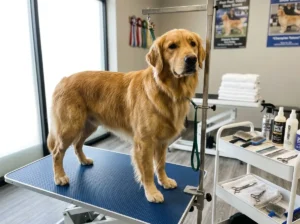
The connection between diet and physical condition in show dogs is not cosmetic — it is biological. According to veterinary nutritionists at VCA Animal Hospitals, the skin and coat form the largest organ in the canine body, comprising around 10 to 15 percent of a dog’s total body weight. That organ is built almost entirely from what the dog consumes.
IAMS nutritional research confirms that a dog’s coat is made up almost entirely of protein. When a diet lacks sufficient quality protein, hair can fall out or become dry, weak, and brittle. The skin itself is built from tightly packed cells with membranes made of proteins and fats — without these nutrients in adequate supply, those membranes weaken, allowing moisture to escape and leaving the coat looking dull rather than show-ready.
For a show dog, dull coat, low energy, and poor muscle tone are not just aesthetic problems. They are signals that the foundation of the dog’s condition — nutrition — needs attention. No amount of grooming product can compensate for a diet that is not doing its job.
If you are already investing time in your dog’s grooming routine, pairing that effort with a high-quality diet is the most powerful upgrade you can make to your dog’s overall presentation.
The Three Diet Types Show Dog Owners Are Using in 2026
There is no single “correct” diet for a show dog — but there are meaningful differences between the main options available today. Understanding what each approach offers, and where it falls short, allows you to make an informed decision based on your dog’s breed, coat type, activity level, and your own practical constraints.
Raw Feeding: Maximum Nutrition, Maximum Commitment
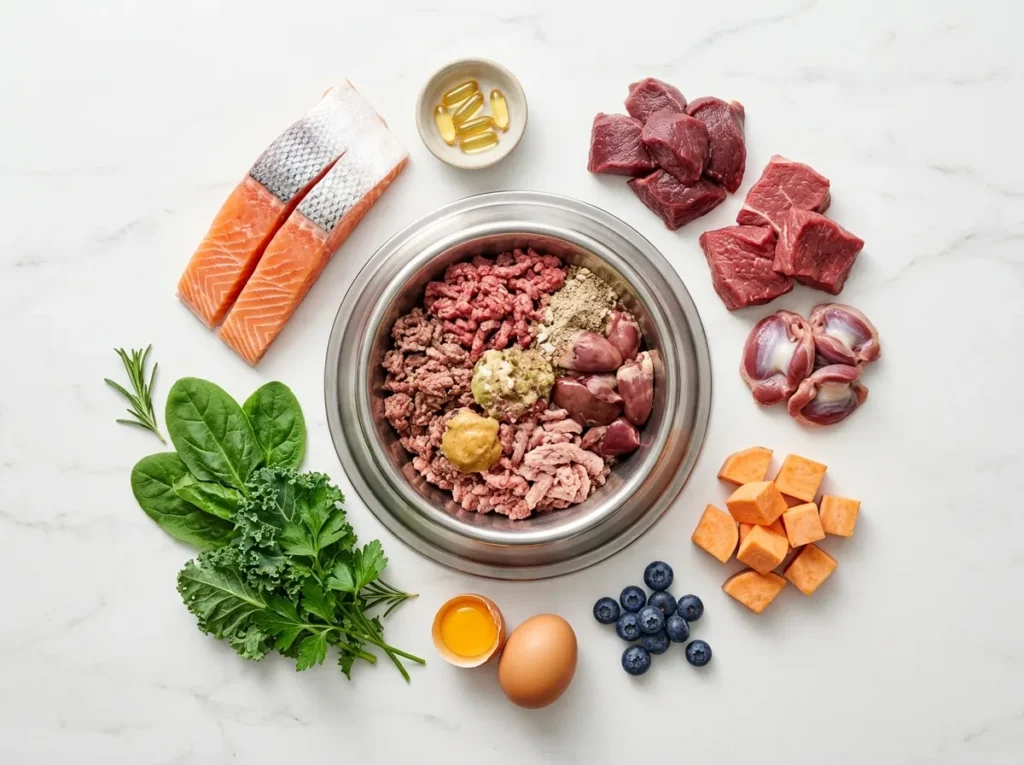
A raw diet — often called a BARF diet (Biologically Appropriate Raw Food) — is built around uncooked meat, organ meat, raw meaty bones, and a rotation of vegetables and supplements. Proponents argue that this mirrors what dogs would eat in nature, providing protein in its most bioavailable form and preserving heat-sensitive enzymes and vitamins that are destroyed during conventional food processing.
The results many show dog handlers report are hard to ignore: richer coat pigment, improved skin condition, leaner muscle mass, and more sustained energy through long show days. These outcomes are consistent with the nutritional science. High-quality animal protein delivers complete amino acid profiles that support strong hair follicles, while natural fats — particularly omega-3 fatty acids from sources like raw salmon — directly feed the skin cells responsible for coat oil production.
However, raw feeding comes with real responsibilities. Bacterial contamination — including Salmonella and Listeria — has been identified in 7 to 35 percent of tested raw food samples, according to research cited by Cornell University and the FDA. Nutritional imbalances are also a documented risk, particularly concerning calcium-to-phosphorus ratios, iodine, and zinc levels when meals are home-prepared without veterinary nutritionist input. If you choose raw feeding, working with a canine nutritionist to build a balanced rotation is essential — especially for puppies, pregnant females, and immune-compromised dogs.
Freeze-Dried Raw: The Practical Middle Ground
Freeze-dried raw dog food has grown rapidly in popularity, and for good reason. The freeze-drying process removes moisture from raw ingredients without heat, preserving the nutritional integrity of the food — including heat-sensitive B vitamins, Vitamin C, and natural digestive enzymes that are destroyed during conventional kibble manufacturing.
As Dog Food Advisor’s freeze-dried guide explains, freeze-drying preserves the nutritional benefits of a raw meat diet in an easier-to-feed and store format — making it a genuinely practical option for handlers who travel to shows frequently or who want raw-level nutrition without the daily preparation demands of a full raw feeding program.
For show dogs specifically, freeze-dried diets offer several key advantages. If energy improves, digestion settles, and coat quality improves within three to four weeks of switching, freeze-dried raw is working — and those three markers are precisely what matters in a show dog. The portability of freeze-dried food is also a significant practical benefit on show weekends, where refrigeration may be limited and consistency of feeding schedule is important for performance.
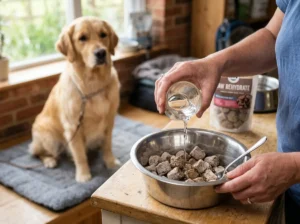
When selecting a freeze-dried formula, look for products that are labeled complete and balanced to AAFCO standards — not just toppers or treats. Rehydrating the food with warm water before serving improves palatability and digestibility, particularly for older dogs or those with dental sensitivities. Transition gradually over 10 to 14 days to avoid digestive upset.
Premium Kibble: When Quality Counts
Not every handler has the time, budget, or storage capacity for raw or freeze-dried feeding as a complete diet — and a high-quality kibble, selected carefully, can absolutely support a show dog’s nutritional needs. The key word is quality.
Standard grocery-store kibble is manufactured through high-heat extrusion, which degrades heat-sensitive nutrients and often relies on plant-based proteins that do not deliver complete amino acid profiles. Breed-specific nutrition leaders like Royal Canin prioritize biological needs over marketing trends, developing highly specialized formulas tailored to the precise jaw structures, energy levels, and health predispositions of different breeds — whether that means a formula supporting a German Shepherd’s sensitive digestion or one addressing joint health in larger working breeds.
If kibble is your primary feeding approach, look for formulas where a named animal protein appears as the first ingredient, with clearly identified fat sources and without generic “meat meal” or “animal by-products” on the label. Supplementing a quality kibble with a freeze-dried raw topper at 10 to 25 percent of total meal volume is a cost-effective way to significantly boost nutritional density without a full diet overhaul.
The Nutrients That Directly Impact Show Dog Condition
Regardless of which diet type you choose, certain nutrients are non-negotiable for a show-ready dog. Understanding what these are — and why they matter — helps you evaluate any food label with confidence.
Protein: The Building Block of Coat and Muscle
Animal-based proteins provide all the essential amino acids a dog requires, while plant-based proteins often fall short on key amino acids. For show dogs, high-quality protein supports strong hair follicles, lean muscle development, and sustained energy output. Look for named protein sources — chicken, beef, salmon, turkey, lamb — as the primary ingredients.
Omega-3 and Omega-6 Fatty Acids: The Coat’s Best Friend
Fatty acids are the single most impactful dietary factor in coat condition. Omega-3s — particularly EPA and DHA — reduce skin inflammation, support oil production, and deliver that glass-like shine that judges and spectators notice immediately. Dogs with dry skin and poor coats can benefit greatly from higher omega-3 fatty acid levels, achievable through a diet including them at effective levels and at the correct ratio — with salmon-based diets being a particularly strong source.
Natural omega-3s in raw and freeze-dried food are more bioavailable than the synthetic versions added back into kibble after heat processing. If you are feeding primarily kibble, a fish oil supplement is one of the most evidence-backed additions you can make for coat quality.
Biotin, Zinc, and Vitamin E: The Supporting Cast
Biotin (Vitamin B7) is essential for keratin production — keratin being the protein that hair is made of. Zinc is vital for skin repair and is a leading cause of crusty or flaky skin conditions when deficient. Vitamin E is a powerful antioxidant that protects skin cells from oxidative stress. These three nutrients work together to maintain the skin health that underpins a great coat, and all three should be present in any diet intended for a show dog in heavy competition condition.
Feeding Strategy Around Show Days
What you feed your dog day-to-day builds the foundation — but how you manage feeding around show days affects their immediate performance in the ring.
Pre-Show Feeding Timing
On the morning of a show, feed a light, protein-rich meal two to three hours before ring time. A full stomach increases the risk of sluggish movement and discomfort under the judge’s hands, while going into the ring on an empty stomach can cause energy dips and distraction. Smaller, more frequent meals in the days leading up to a show help stabilize energy levels without digestive disruption.
Hydration Matters as Much as Food
A dehydrated dog is a fatigued dog. Coat suppleness, skin elasticity, and mental alertness are all directly affected by hydration. Ensure your dog has consistent access to clean water throughout show days, and consider adding low-sodium bone broth to meals in the days before a show to encourage fluid intake. If your dog is a reluctant drinker on show mornings due to nerves or excitement, flavoring water with a small amount of broth can make a meaningful difference.
Hydration management links closely with summer show safety — if you are showing in warm weather, our post on summer show travel and heat safety covers the full picture of keeping your dog in peak condition between rings.
Breed-Specific Nutritional Considerations
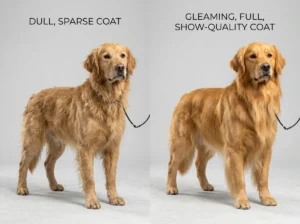
Not every show dog has the same nutritional needs, and breed matters when designing a feeding program. Coat type is one of the clearest indicators of specific dietary requirements.
Long-Coated Breeds
Breeds like Afghan Hounds, Yorkshire Terriers, Shih Tzus, and Maltese rely heavily on dietary fat to maintain the luxurious, flowing coats that define their breed standards. A diet slightly higher in healthy fats — from salmon, duck, or cold-pressed oils — supports coat length, texture, and the natural sheen that judges reward.
Short-Coated Working and Sporting Breeds
Doberman Pinschers, Boxers, Vizslas, and similar breeds benefit more from higher protein ratios that support the lean, muscular silhouette their standards call for. Coat condition in short-haired breeds shows up as sheen and pigment richness — both of which respond well to omega-3 supplementation and high-quality animal protein.
Double-Coated Breeds
Breeds with dense double coats — Samoyeds, Siberian Huskies, Bernese Mountain Dogs — shed heavily and regenerate coat continuously. Their nutrition must support that cycle year-round. Higher overall protein intake, combined with zinc and biotin supplementation, helps maintain a healthy undercoat and prevents the sparse, blown-coat look that is difficult to present competitively.
Understanding your breed’s specific physical requirements is part of knowing what a judge is actually evaluating when they assess your dog. For a deeper look at those standards, our post on what judges look for in a show dog is essential reading alongside your nutritional planning.
Building Your Show Dog’s Nutritional Program
The most effective approach to show dog nutrition is not choosing between raw, freeze-dried, and kibble as competing philosophies — it is understanding the nutritional outcomes you are trying to achieve and selecting the feeding strategy that best delivers them for your specific dog and your practical circumstances.
Start by evaluating your dog’s current condition honestly: coat texture, skin health, energy levels, body composition, and digestive regularity. These are your baseline indicators. Introduce any dietary change gradually over 10 to 14 days to avoid digestive disruption, and give a new diet a minimum of six to eight weeks before assessing results — coat improvements in particular take time to become visible as new hair growth cycles through.
Consulting with a veterinary nutritionist before making significant changes is always advisable, particularly for breeds with known sensitivities or dogs in active breeding programs. And regardless of diet type, always ensure the formula you choose meets AAFCO’s standards as a complete and balanced diet appropriate for your dog’s life stage.
Nutrition is the foundation that everything else in a show dog’s preparation is built on. Get it right, and the grooming, training, and ring presence all become easier to achieve. To explore more of the fundamentals of raising a competitive show dog, visit the Stephlyn Show Dogs blog for expert guidance on every aspect of the sport.