
The Evolution of Breeding Standards and the Rise of Ethical Concerns
For over a century, dog shows have celebrated the beauty and skill of purebred dogs, with breed standards acting as the blueprint for the ideal specimen. These standards, meticulously crafted by breed clubs and kennel clubs, have guided breeders in producing dogs with specific physical and temperamental traits. However, the intense focus on selective breeding to achieve a certain look has, in some cases, led to unintended consequences, including an increase in hereditary health problems and a reduction in genetic diversity. In recent years, a significant shift has occurred within the dog breeding community. There is a growing awareness and concern for the ethical implications of breeding practices, with a renewed focus on the overall health, well-being, and longevity of the dogs. This evolution marks a critical turning point, moving from a purely aesthetic-driven approach to one that prioritizes the welfare of the animals above all else.
What Defines an Ethical Breeder in 2026?

In the modern era of dog breeding, the definition of an ethical breeder extends far beyond simply producing champion show dogs. It encompasses a deep commitment to the health, temperament, and overall welfare of the dogs they bring into the world. As we move further into 2026, the standards for ethical breeding have become more rigorous and transparent, driven by a combination of scientific advancements, legislative changes, and a more informed community of dog lovers.
Health and Genetic Screening — A Non-Negotiable Standard
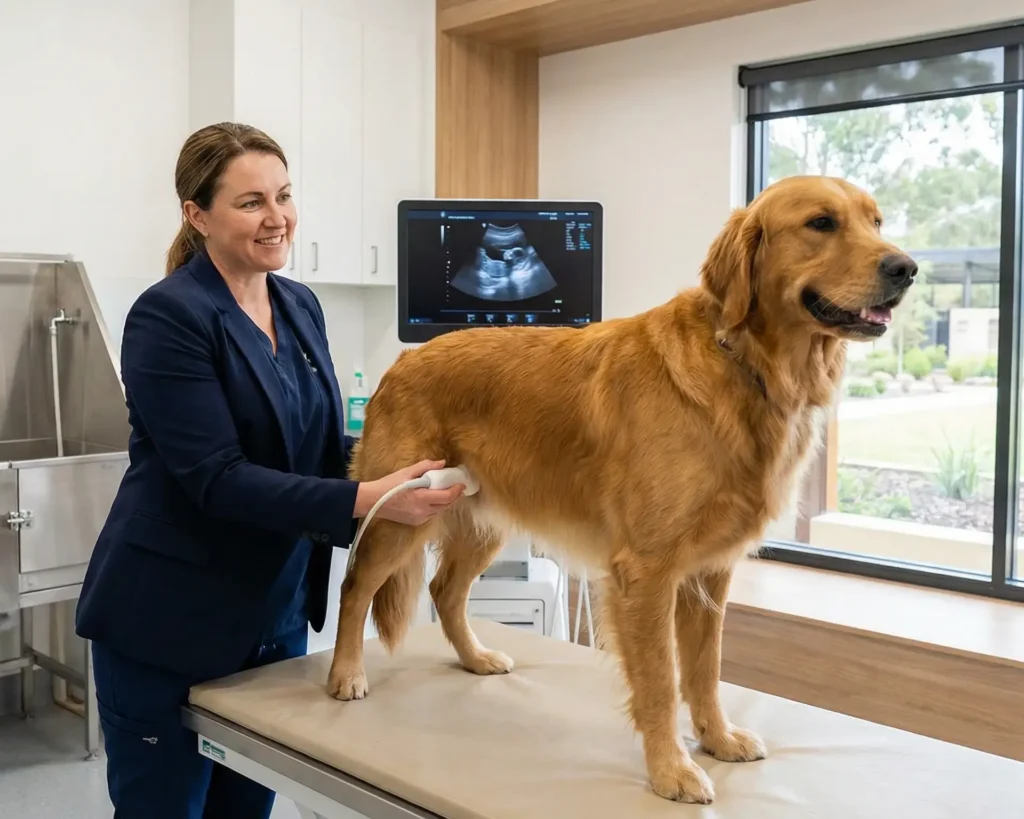
An ethical breeder’s foremost responsibility is to produce healthy dogs. This begins with comprehensive health and genetic screening of all breeding stock. Reputable breeders utilize a variety of tools to screen for hereditary diseases common to their breed, such as hip and elbow dysplasia, eye conditions, and heart defects. Health clearances from organizations like the Orthopedic Foundation for Animals (OFA ) and PennHIP are standard practice. Furthermore, with the advent of advanced DNA testing, breeders can now screen for a wide range of genetic markers associated with specific diseases, allowing them to make more informed breeding decisions and reduce the incidence of inherited health problems. When you are looking for a show dog, it is crucial to find a breeder who is transparent about their health screening practices and is willing to provide documentation of the results. This is a key aspect of what to look for in a show dog breeder.
Prioritizing Temperament and Well-being
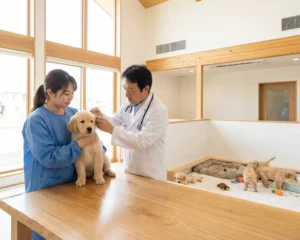
Beyond physical health, an ethical breeder places a strong emphasis on producing dogs with stable, sound temperaments. This is achieved through careful selection of breeding pairs and, just as importantly, through early and ongoing socialization and enrichment for the puppies. From a young age, puppies should be exposed to a variety of sights, sounds, and experiences to help them develop into confident and well-adjusted adults. An ethical breeder will raise their puppies in a clean, stimulating environment and will handle them frequently to foster a strong human-animal bond. They understand that a show dog is not just a competitor but also a companion, and they strive to produce dogs that can excel in both roles.
Transparency and Lifelong Responsibility
Transparency and a commitment to lifelong responsibility are the hallmarks of an ethical breeder. They are open and honest about their breeding practices, the health and temperament of their dogs, and any potential challenges associated with the breed. They will provide a comprehensive health guarantee for their puppies and will be available to provide support and guidance to the new owners for the life of the dog. A truly ethical breeder takes responsibility for every puppy they produce and will insist on a contract that requires the owner to return the dog to them if they are ever unable to keep it. This commitment ensures that none of their dogs will ever end up in a shelter or rescue. When you are choosing the perfect show dog, selecting a breeder who demonstrates this level of commitment is paramount.
The Genetic Diversity Dilemma in Purebred Dogs
The world of purebred dogs is a stunning display of the incredible diversity that can be achieved through selective breeding. From the majestic Great Dane to the diminutive Chihuahua, each breed possesses a unique set of characteristics that make it special. However, the very process that has created these distinct breeds has also led to a significant challenge: a lack of genetic diversity.
Understanding the Genetic Bottleneck
When a new breed is created, it is typically from a small number of founding dogs. This creates a genetic bottleneck, where the gene pool of the entire breed is limited to the genes of those few founders. Over time, as breeders have selected for specific traits to conform to breed standards, the gene pool has become even more restricted. This lack of genetic diversity can have serious consequences for the health of the breed, leading to an increased prevalence of genetic disorders and a reduced ability to adapt to new environmental challenges. As the Institute of Canine Biology notes, the loss of genetic diversity is a major concern for the health and future of many breeds of dogs.
Balancing Breed Standards with Genetic Health
Today, there is a growing movement within the breeding community to address the issue of genetic diversity. Breeders and scientists are exploring various strategies to introduce new genes into closed gene pools while still preserving the essential characteristics of the breed. One such strategy is outcrossing, which involves breeding a dog of one breed to a dog of another breed to introduce new genetic material. While controversial, outcrossing has been used successfully in some breeds to improve health and vigor. The challenge lies in finding the right balance between maintaining the integrity of the breed standard and ensuring the long-term genetic health of the breed. It is a complex issue that requires careful consideration and collaboration between breeders, geneticists, and breed clubs.
The Impact of Legislation on Breeding Practices
The conversation around ethical breeding has not been limited to the dog show community. In recent years, there has been a growing public and legislative interest in ensuring the welfare of dogs in breeding operations. This has led to the introduction of new laws and regulations aimed at protecting dogs from irresponsible breeding practices.
The Puppy Protection Act of 2025
One of the most significant pieces of legislation in recent years is the proposed Puppy Protection Act of 2025. This federal bill aims to establish higher standards of care for dogs in large-scale commercial breeding facilities. The act includes provisions for things like larger enclosures, more frequent exercise, and better veterinary care. While the act is primarily targeted at so-called puppy mills, its introduction has sparked a broader conversation about the standards of care for all breeding dogs. It has also put pressure on the entire breeding community to be more transparent and accountable for their practices. You can learn more about the specifics of the act and its potential impact from official government sources.
Your Role as a Responsible Show Dog Enthusiast
As a potential or current owner of a show dog, you play a crucial role in promoting ethical breeding practices. The choices you make can have a real impact on the future of the dog show world and the health and well-being of the dogs we all love.
Choosing an Ethical Breeder
The single most important thing you can do is to choose an ethical breeder. By supporting breeders who prioritize health, temperament, and genetic diversity, you are helping to create a market for responsibly bred dogs. Do your research, ask questions, and insist on transparency. A good breeder will welcome your scrutiny and will be proud to show you their facilities and introduce you to their dogs. Remember, when you choose an ethical breeder, you are not just buying a dog; you are entering into a partnership with someone who will be a valuable resource for the life of your dog.
Advocating for Change
You can also be a force for change by getting involved in your breed club and advocating for policies that promote ethical breeding and genetic diversity. Support initiatives that encourage health testing, open registries, and responsible breeding practices. The American Kennel Club (AKC ) offers a wealth of resources for breeders and owners, including a guide to responsible dog breeding. By educating yourself and others, you can help to ensure that the sport of dog showing has a bright and ethical future.