

The New Era of Canine Welfare in 2026
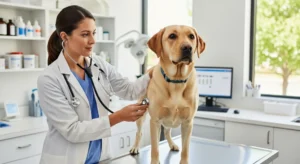 The world of responsible dog breeding is undergoing a significant transformation. In early 2026, both the United States Department of Agriculture (USDA) and the Royal Kennel Club (RKC) in the UK introduced landmark updates to their breeding regulations. These changes signal a renewed and intensified focus on canine health, welfare, and ethical practices. For dedicated breeders and show dog enthusiasts, understanding and implementing these new standards is not just a matter of compliance — it is a commitment to the future of our beloved breeds.
These updated regulations address critical aspects of a dog’s life, from the health and care of breeding females to the essential needs for exercise and socialization for all dogs in a breeding program. Furthermore, this guide will walk you through the key components of these new rules, helping you ensure your program not only meets but exceeds the new standards for excellence in breeding.
Key Changes in the 2026 USDA Breeding Regulations
The USDA’s Animal and Plant Health Inspection Service (APHIS) has proposed rules that place a stronger emphasis on the holistic well-being of dogs at licensed breeding facilities. The primary goal is to enhance the quality of life for these animals and ensure they are physically healthy and behaviorally well-adjusted. Consequently, these changes reflect a deeper understanding of canine needs beyond basic food and shelter.
Enhanced Care for Breeding Females
One of the most significant updates focuses on the care of breeding females. The new regulations aim to prevent the over-breeding of females and ensure they receive adequate recovery time between litters. Key provisions include stricter limits on the number of litters a female can produce in her lifetime, as well as the frequency of breeding. Additionally, a mandatory veterinary examination after each litter is now required to confirm the female is healthy before she can be bred again. Specific guidelines for the nutritional needs of pregnant and lactating females have also been introduced to ensure their health and the health of their puppies.
Mandatory Exercise Requirements
 The 2026 regulations move beyond ambiguous exercise guidelines to mandate specific, documented exercise plans for all dogs. The proposal states that breeders must provide dogs with daily opportunities to exercise in a manner that promotes their physical well-being. This includes considerations for the dog’s age, breed, and health status. Documenting these exercise routines will become a critical part of compliance, ensuring that every dog has the chance to run, play, and move freely.
The Royal Kennel Club’s New “Breeding for Health” Framework
Across the pond, the Royal Kennel Club has launched its comprehensive “Breeding for Health” framework, a forward-thinking roadmap for the future of responsible dog breeding in the UK. This framework is built on a foundation of science, data, and a commitment to improving the health and welfare of all purebred dogs. Moreover, it encourages a holistic approach that considers a dog’s entire life, not just its appearance in the show ring.
A “Nose-to-Tail” Health Assessment
A cornerstone of the RKC’s new approach is the introduction of a veterinary visual health assessment. This “nose-to-tail” check will evaluate dogs for any visible health problems related to exaggerated features, such as breathing difficulties in brachycephalic breeds or skin issues. The goal is to shift breeding priorities away from extreme conformations that can compromise a dog’s quality of life. As a breeder, integrating this mindset is crucial, and it aligns with the principles discussed in our guide on Ethical Breeding and Genetic Diversity.
Focus on Genetic Health and Diversity
The framework places a strong emphasis on leveraging genetic testing to reduce the incidence of inherited diseases. The RKC is expanding its DNA testing services and providing breeders with more tools to make informed decisions. This includes promoting breeding strategies that maintain and improve genetic diversity within breeds, which is essential for their long-term health and viability. For more insights on this, you can review our article on The Importance of Pedigree in Show Dogs, which touches upon the genetic aspects of a strong lineage.
How to Prepare Your Breeding Program for Compliance
 Adapting to these new regulations requires a proactive and organized approach. The time to prepare is now, and taking these steps will ensure a smooth transition and demonstrate your leadership in responsible breeding.
Conduct a Program Audit
Begin by reviewing your current practices against the new USDA and RKC guidelines. Create a checklist to assess your program’s compliance in areas such as record-keeping for breeding frequency and litter history, daily exercise and socialization protocols, veterinary care schedules, especially for breeding females, and health screening and genetic testing procedures. This audit will help you identify gaps and prioritize the changes that need to be made first.
Enhance Your Socialization and Enrichment Plans
Go beyond basic requirements and develop a robust socialization and enrichment program. This not only ensures compliance but also produces behaviorally sound and well-adjusted puppies. Introduce puppies to various sights, sounds, and experiences in a controlled and positive manner. This foundation is invaluable, whether they are destined for the show ring or a companion home. Additionally, a well-socialized puppy is a testament to the quality of your breeding program.
Prioritize Transparency and Education
Use this as an opportunity to educate your clients and the broader community about your commitment to ethical breeding. Be transparent about your health testing, socialization practices, and how you adhere to the latest dog breeding regulations 2026. This builds trust and enhances your reputation as a top-tier breeder. For more information on the official guidelines, you can visit the USDA Federal Register and the Royal Kennel Club’s official announcement.
By embracing these new regulations, you are not just following rules — you are actively contributing to a healthier, more humane future for show dogs. It is a responsibility that ensures the legacy of our breeds continues with integrity and care for generations to come.